
Mobility made possible.


Physical Medicine & Rehabilitation
Information for Physiatrists & Physical Therapists
Physical Medicine and Rehabilitation (PM&R), also known as physiatry, is key to the successful recovery of amputees in the years after surgery.
Tectus® Case Study
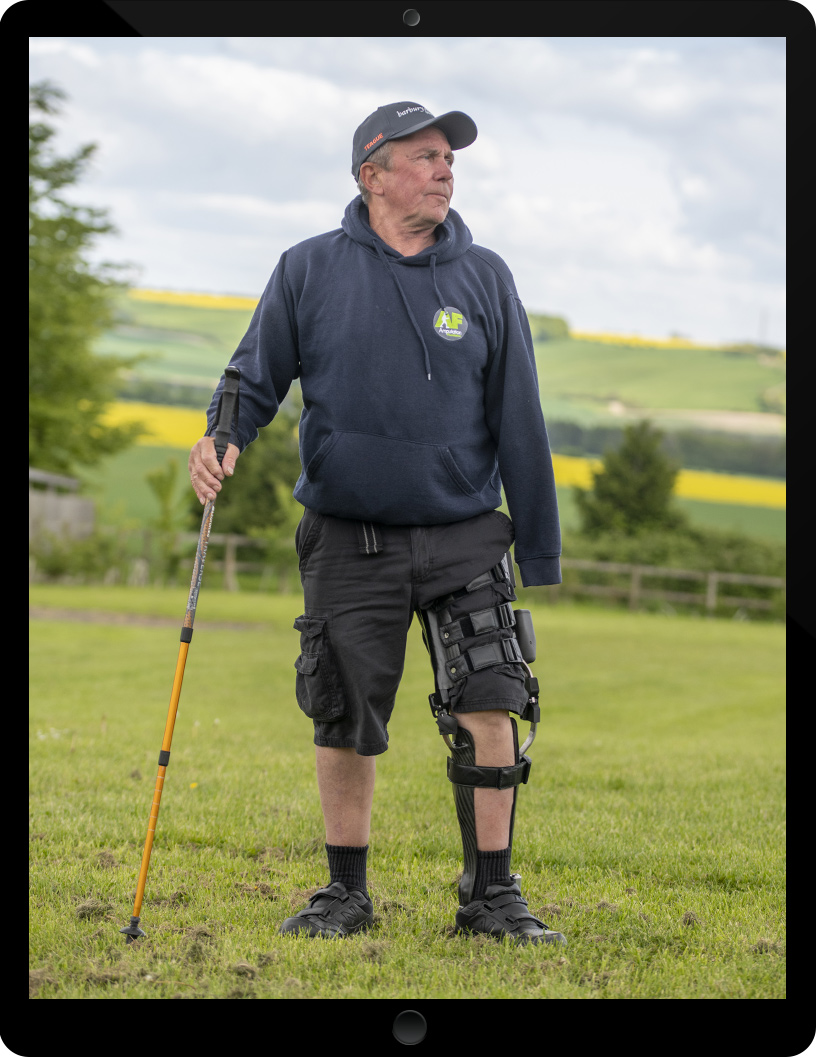
In 2007, Mick's world was turned upside down, when he suffered a stroke that left him with a range of difficulties. It impacted his left side, leaving him with muscle weakness and speech issues.
"It took me roughly 18 months to 3 years to walk again," says Mick, but even after working tirelessly to regain his mobility his ankle still felt weak and wobbly, "My ankle just felt like it had gone to jelly."
So, when he discovered Tectus® it was a revelation that vastly improved the quality of his life, "Tectus eases the pain in my knee by helping to support it, which really gives me confidence. I'm less likely to get problems on my right side from excess wear or imbalance of my gait."
Microprocessor Case Studies
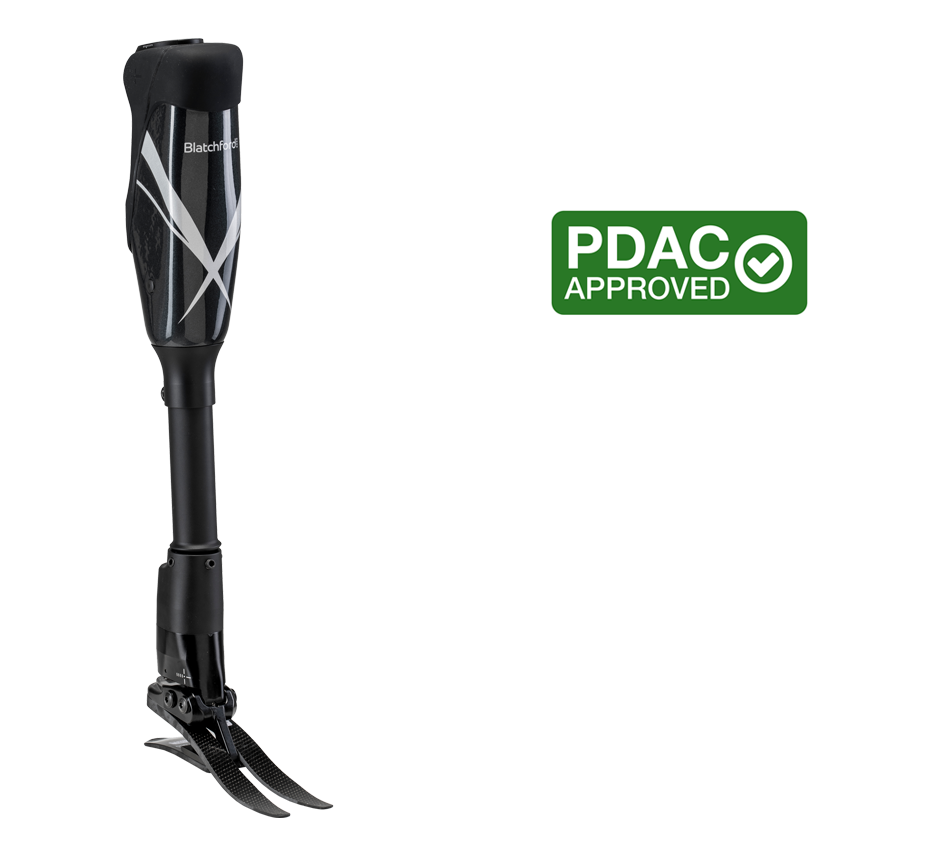
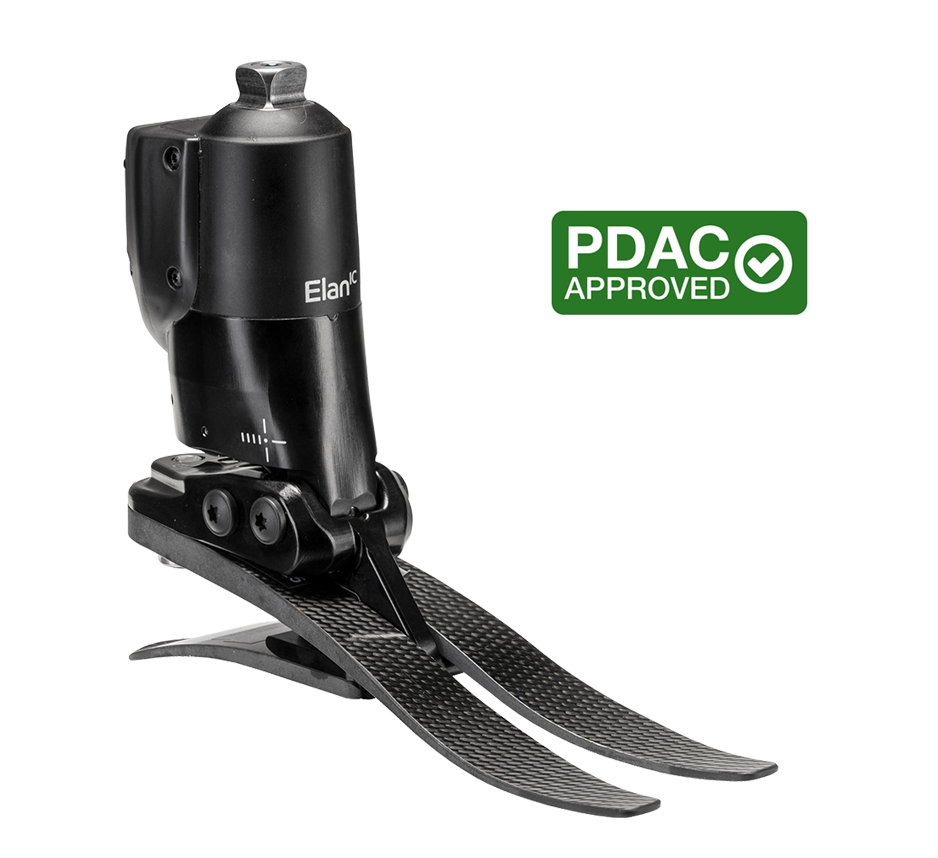
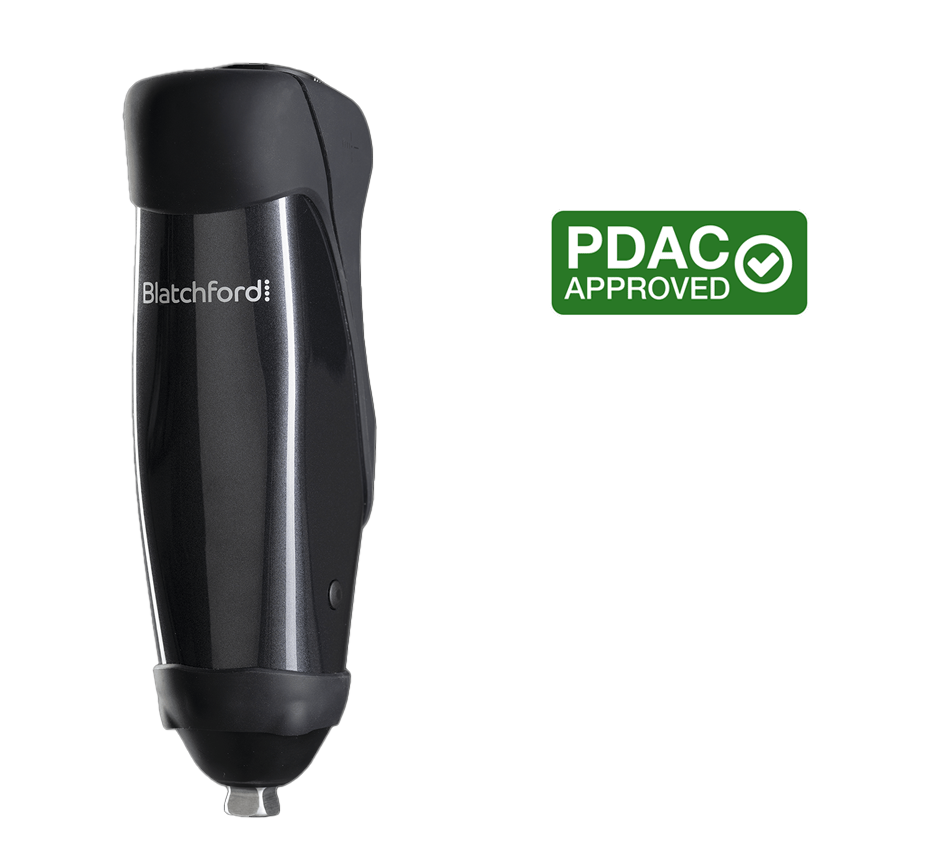
Our Microprocessor Products
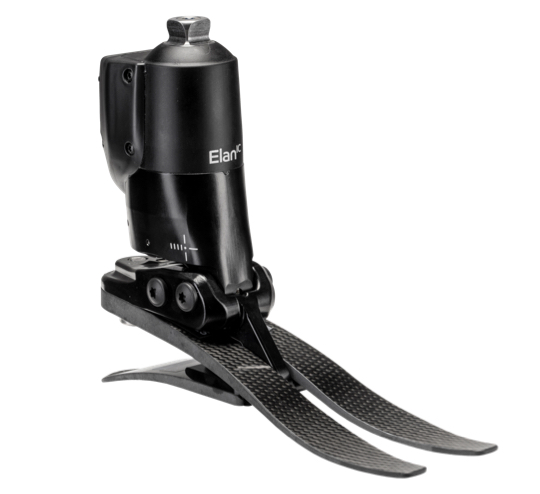
Blatchford's microprocessor feet are designed to replicate the resistance and ankle movements found in natural joints. Smooth and safe thanks to inbuilt sensors and microprocessor controlled programming, our feet deliver both comfort and performance that is unmatched by purely mechanical prosthetics.
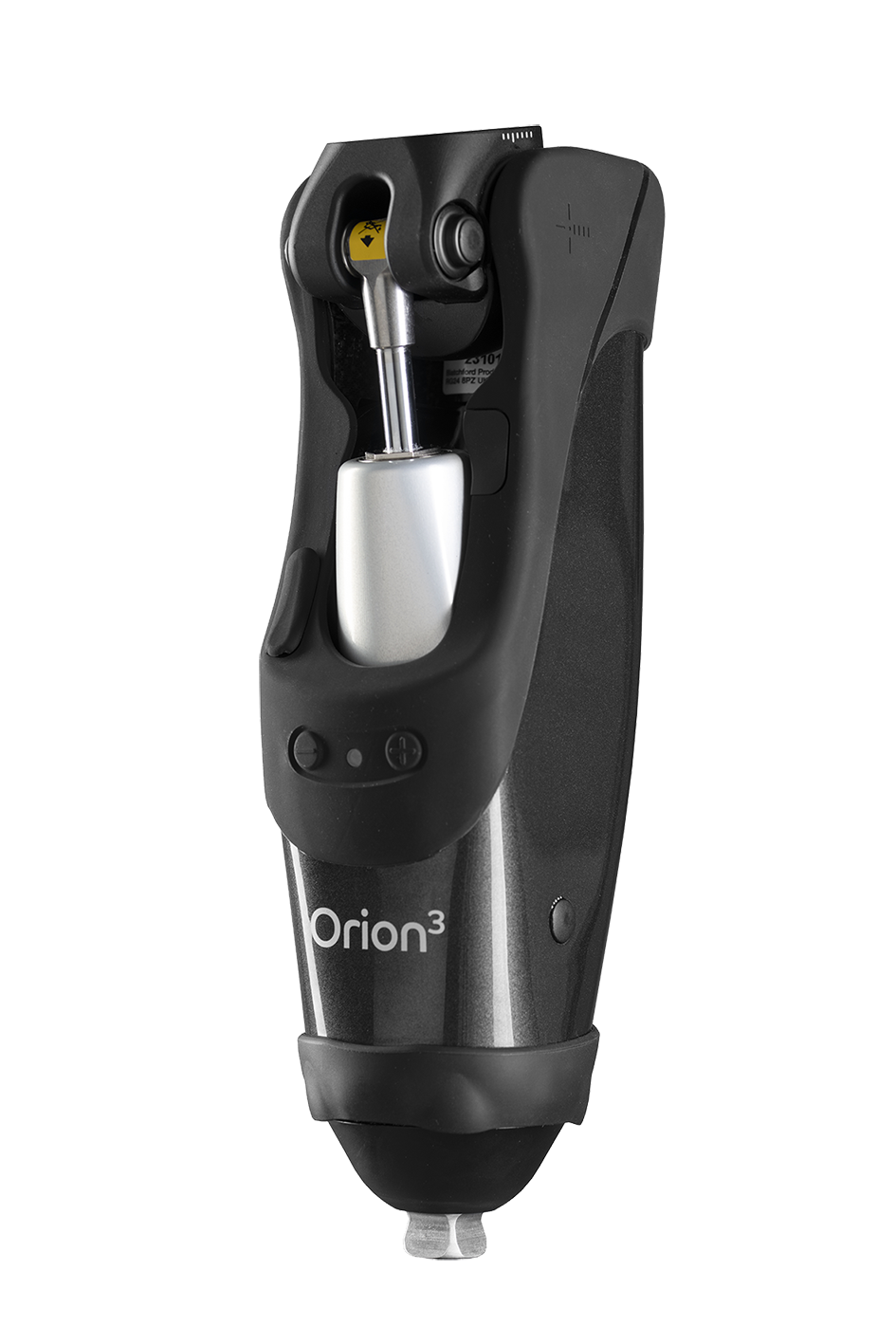
Microprocessor knees (MPKs) represent a significant advancement in prosthetic technology compared to mechanical and purely hydraulic prosthetic knees. Blatchford's MPKs use sensors and microprocessors to continuously monitor the user's gait and adjust the knee's resistance in real time.

Meet Tectus, the microprocessor powered Knee Ankle Foot Orthosis (KAFO). Tectus offers advanced support for lower limb impairments by combining lightweight materials with microprocessor technology, to enhance stability and mobility, adapting to various walking conditions in real time for improved user confidence and comfort.
Selected Product IFUs (Instructions For Use)
Listed below are the technical instruction documents for some of our key microprocessor products. You can find our full list of product IFUs by visiting our Technical Documentation page (available in the footer).
-
Orion3 knee
-
Orion3 Datasheet US
-
Clinicians Manual - Pack 1
-
Clinicians Manual - Pack 3
-
User Guide - Pack 1
-
User Guide - Pack 3
-
Orion3 - Cosmetic Cover Instructions for Use
-
Orion3 PDAC Verification Letter
Suggested L-Codes: L5828, L5845, L5848, L5850, L5856, L5925
-
-
Linx Limb System
-
Linx Brochure
-
Clinicians Manual - Pack 1
-
Clinicians Manual - Pack 3
-
User Guide - Pack 1
-
User Guide - Pack 3
-
Linx - Cosmetic Cover Instructions for Use
-
Linx PDAC Verification Letter
Suggested L-Codes: L5828, L5845, L5848, L5850, L5856, L5925, L5973
-
- Elan


SMARTSTEP™ For Physiatry
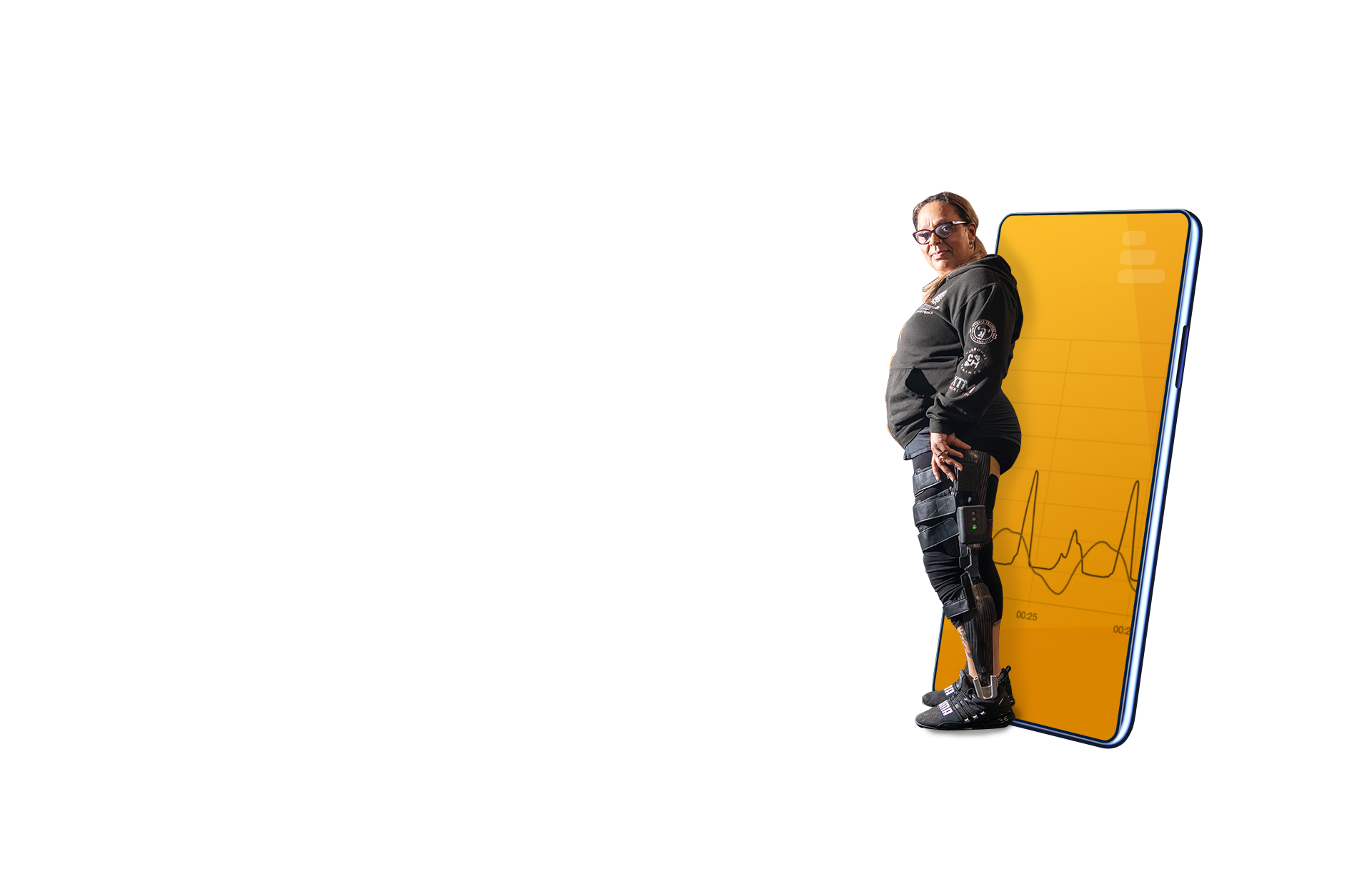
SMARTSTEP™ is Blatchford's industry leading tool for physiatrists and clinicians. A mobile and desktop application that uses recorded data from our microprocessor devices to deliver improved set up and enhanced rehabilitation care.
SMARTSTEP™ features include:
-
Advanced Gait Analysis
- Feature: SMARTSTEP™ provides detailed data on gait patterns, including step length, cadence, and symmetry.
- Benefit: This allows for precise tailoring of rehabilitation programs to improve walking efficiency and reduce the risk of falls.
-
Enhanced Balance and Stability
- Feature: SMARTSTEP™ monitors and adjusts resistance during stance and swing phases.
- Benefit: This improves balance and stability, helping users walk more confidently and safely.
-
Fall Risk Reduction
- Feature: SMARTSTEP™ significantly reduces the number of falls compared to traditional orthoses.
- Benefit: Users experience fewer falls, leading to greater confidence and independence in daily activities.
-
Customized Rehabilitation Plans
- Feature: SMARTSTEP™ provides detailed, real-time feedback on a user's functional abilities.
- Benefit: Physiotherapists can create highly personalized rehabilitation plans, track progress over time, and adjust treatment strategies for optimal results.
Additional Benefits of SMARTSTEP™

Remote Connectivity for Early Detection
Continuous recording allows for remote monitoring of device data, enabling physiatrists and physiotherapists to track progress and make adjustments to treatment plans without requiring in-person visits. This is particularly useful for patients in remote areas or those with mobility issues. Additionally, continuous data collection helps in the early detection of potential issues, such as deviations in gait or signs of muscle fatigue, allowing for early intervention to prevent minor problems from becoming major setbacks.

Enhanced Patient Engagement and Personalized Feedback
Providing patients with access to their own data can increase their engagement and adherence to treatment plans. When patients see their progress in real-time, they are often more motivated to continue their rehabilitation exercises. Real-time data also allows for immediate feedback and adjustments to therapy, enabling physiotherapists to fine-tune exercises and orthotic settings based on the patient’s current performance, leading to more effective and personalized care.

Research, Development, and Cost-Effectiveness
Aggregated data from multiple patients can be used for research purposes, helping to advance the field of rehabilitation. This data can lead to the development of new treatment protocols and the improvement of existing ones. Additionally, by reducing the need for frequent in-person visits and enabling more efficient treatment plans, device data can help lower the overall cost of rehabilitation for both patients and healthcare providers.
Note: SMARTSTEP is currently available for Tectus® only, but with more devices set to be enabled from 2025 onwards.
Want to hear more about SMARTSTEP?
Reach out to our team members below.
Contacts
Heading up the PMR function within Blatchford, Jamie Zaffina is a strategic account manager with nearly 20 years in the industry. He is supported by our team of experts across the country and between them they have all the knowledge you need to get the best from your PM&R program.
Other key team members:
Scott Wickersham
(Regional Manager - South Central)
Raymond Kazzazi
(Regional Manager - East)
DJ Harrison
(Regional Manager - West)
Latest Research Papers
-
Using perforated liners to combat the detrimental effects of excessive sweating in lower limb prosthesis users
Product(s): Silcare Breathe
Patient-reported outcome measures were compared between a group who wore perforated liners, designed for sweat management, and a group using conventional prosthetic liners. In general, patients who wore the perforated liner had healthier skin on their residual limbs and experienced fewer skin conditions than the control group. Out of the issues they did experience, fewer were attributed to sweating. The perforated liner users experienced less frequent pain both in their physical and phantom limbs, compared to the control group, and they also considered themselves less limited by their prosthetic device, missing fewer days of work. These observations suggest that perforated liners can offer significant health benefits to prosthesis users.
Davies K.C, McGrath M, Savage Z, Stenson A, Moser D, Zahedi S. Using perforated liners to combat the detrimental effects of excessive sweating in lower limb prosthesis users. Canadian Prosthetics & Orthotics Journal. 2020; Volume 3, Issue 2, No.1. https://doi.org/10.33137/cpoj.v3i2.34610
-
Minimum toe clearance and tripping probability in people with unilateral transtibial amputation walking on ramps with different prosthetic designs
Product(s): Elan and Echelon
This study investigated the issue of tripping for lower limb amputees and how different prosthetic technologies affect its likelihood. Using gait analysis on a 5° slope, the minimum toe clearance of 13 transtibial amputees was measured when using a rigid ankle, a hydraulic ankle and a microprocessor foot (MPF, Elan). When walking downhill, the hydraulic ankle and the MPF had a greater clearance than the rigid ankle. When walking uphill, the hydraulic ankle had a greater clearance than the rigid ankle but the MPF had the highest clearance of all three. For both walking conditions, the probability of tripping was lowest with the MPF (≤2%). The study findings indicate that the enhanced adaption of microprocessor-controlled feet can reduce the likelihood of falls, thus reducing the healthcare and economic costs associated with subsequent injuries.
Riveras M, Ravera E, Ewins D, Shaheen AF, Catalfamo-Formento P. Minimum toe clearance and tripping probability in people with unilateral transtibial amputation walking on ramps with different prosthetic designs. Gait & Posture. 2020 Sep 1;81:41-8.
-
The Influence Of Hydraulic Ankles And Microprocessor-Control On The Biomechanics Of Trans-Tibial Amputees During Quiet Standing On A 5° Slope
Product(s): Elan and Echelon
Lower limb prostheses work well on flat ground but often don’t adapt well to uneven ground or slopes. As a result, amputees tend to put more of their weight through their healthy leg. This can lead to problems like back pain and arthritis. In this study, the posture and weight distribution of below knee amputees were analysed while they stood facing down a slope. They did this with three different prosthetic feet; one with no ‘ankle’ joint, one with an ‘ankle’ (which could always move) and one with a computer-controlled ‘ankle’ (which could adapt to the slope but then resist movement when the wearer was stood still). Changing the prosthetic feet did not affect the amount of weight put through each limb, but when they had ‘ankle’ joints, the amputees were able to stand up straight, with a better posture. This meant that the demand on their joints was reduced, particularly on the healthy limb. One participant had below knee amputations on both legs. For this participant, only the computer-controlled device allowed her to stand up straight and well balanced.
McGrath M, Davies KC, Laszczak P, Rek B, McCarthy J, Zahedi S, Moser D. The influence of hydraulic ankles and microprocessor-control on the biomechanics of trans-tibial amputees during quiet standing on a 5° slope. Canadian Prosthetics & Orthotics Journal. 2019;Volume2, Issue2, No.2.
-
The Influence of Perforated Prosthetic Liners On Residual Limb Wound Healing: A Case Report
Product(s): Silcare Breathe
For lower limb amputees, excessive sweating is a common issue affecting their quality of life. It is particularly problematic for the skin of the amputated limb, which may be scarred and is loaded unnaturally by the prosthetic socket. Silicone liners are often worn to provide a close fit and for cushioning but they create a warm environment that traps sweat against the skin, leading to bacterial growth. Additionally, sweat on the skin can increase the amount of movement between the amputated limb and the socket, affecting prosthetic control. In order to address this problem, silicone liners have been designed with perforations in them to allow warm air and sweat to move away from the skin. This report describes three cases of patients who suffered from long-standing wounds, blisters or skin infections on their amputated limbs. Each was prescribed with a perforated silicone liner and changes in their skin conditions were observed. In all cases, the wounds healed and each patient reported a noticeable reduction in problematic sweating on their residual limb, without limiting their prosthetic use.
McGrath M, McCarthy J, Gallego A, Kercher A, Zahedi S, Moser D. The influence of perforated prosthetic liners on residual limb wound healing: a case report. Canadian Prosthetics & Orthotics Journal. 2019; volume2, Issue1, No.3. https://doi.org/10.33137/cpoj.v2i1.32723.
-
Energy cost of ambulation in trans-tibial amputees using a dynamic-response foot with hydraulic versus rigid ‘ankle’: insights from body centre of mass dynamics
The energy consumption of trans-tibial amputees, walking at various speeds and over different gradients, were measured when using a hydraulic ankle unit (Echelon) and a rigidly-attached prosthesis. Using Echelon significantly reduced the metabolic energy cost of walking and hence increased energy efficiency. During level walking, the mean reduction in metabolic cost was 11.8% with Echelon, so for the same amount of effort, walking speed increased by 8.3%. When walking on slopes, the mean reduction in metabolic cost was 20.2% with Echelon.Askew GN, McFarlane LA, Minetti AE, Buckley JG. Energy cost of ambulation in trans-tibial amputees using a dynamic-response foot with hydraulic versus rigid ‘ankle’: insights from body centre of mass dynamics. Journal of neuroengineering and rehabilitation. 2019;16(1):39.
-
A biomechanical assessment of hydraulic ankle-foot devices with and without micro-processor control during slope ambulation in trans-femoral amputees
The biomechanical effects of a rigidly attached foot, a passive hydraulic ankle and a microprocessor-controlled hydraulic ankle were measured during slope ascent and descent for trans-femoral amputees. The hydraulic ankles showed improved biomimicry in both walking conditions and better prosthetic knee stability during slope descent.
Bai X, Ewins D, Crocombe AD, Xu W. A biomechanical assessment of hydraulic ankle-foot devices with and without micro-processor control during slope ambulation in trans-femoral amputees. PLOS ONE. 2018; 13(10):e0205093.
-
The influence of a microprocessor-controlled hydraulic ankle on the kinetic symmetry of trans-tibial amputees during ramp walking: a case series
Using a case series design, gait analysis was performed with four trans-tibial amputees to identify differences in the underlying walking biomechanics between the on and off conditions. With microprocessor-control active, there was less reliance on the sound limb for support in both ascent and descent walking conditions. Microprocessor-control of hydraulic ankle-feet reduced the total loading of the sound limb joints, for both walking conditions, for all participants. This may have beneficial consequences for long-term joint health and walking efficiency.
McGrath M, Laszczak P, Zahedi S, Moser D. The influence of a microprocessor-controlled hydraulic ankle on the kinetic symmetry of trans-tibial amputees during ramp walking: a case series. J Rehabil Assist Technol Eng. 2018; 5:2055668318790650.
-
Joint Moments During Downhill and Uphill Walking of a Person with Transfemoral Amputation with a Hydraulic Articulating and a Rigid Prosthetic Ankle—A Case Study
The study sought to investigate the effects of a microprocessor-controlled hydraulic ankle compared to a fixed ankle design when walking at a range of graded inclines, ranging from -12 to + 12 degrees. The gait of one individual with unilateral TF amputation, using the same prosthetic foot with rigid and hydraulic ankle components, was analysed and compared with a control group of 18 able-bodied participants. It was concluded that during sloped walking, the use of a hydraulically articulating versus rigid ankle joint component reduced the joint moments observed at the hip joint of the residual limb in an individual with unilateral TF amputation. This indicates a benefit for persons with TF amputation as the increased ankle function reduces the moment producing requirements of the hip joint, which may result in decreased energy consumption and subsequently a more efficient gait.
Alexander N, Strutzenberger G, Kroell J, Barnett CT, Schwameder H. Joint Moments During Downhill and Uphill Walking of a Person with Transfemoral Amputation with a Hydraulic Articulating and a Rigid Prosthetic Ankle—A Case Study. JPO J Prosthet Orthot. 2018; 30(1):46–54.
-
Microprocessor knees with ‘standing support’ and articulating, hydraulic ankles improve balance control and inter-limb loading during quiet standing
The study looked at the biomechanical differences when trans-femoral amputees were standing on a slope. Four prosthetic conditions were tested; microprocessor knee ‘standing support’ mode activated (ON) and deactivated (OFF), combined with a rigidly attached foot (RA) and with an articulating, hydraulic ankle-foot (HA). Both technologies in isolation improved inter-limb load distribution and balance, with the combination of the two technologies providing the best performance.
McGrath M, Laszczak P, Zahedi S, Moser D. Microprocessor knees with ‘standing support’ and articulating, hydraulic ankles improve balance control and inter-limb loading during quiet standing. J Rehabil Assist Technol Eng. 2018; 5:2055668318795396.
-
Gait termination on a declined surface in trans-femoral amputees: Impact of using microprocessor-controlled limb system
Eight trans-femoral amputees, using an integrated limb system (Linx), performed gait terminations while walking downhill. Two prosthetic conditions were tested; microprocessor-control active and inactive. Greater involvement of the prosthetic limb with the microprocessor active indicated greater confidence in their prosthesis.
Abdulhasan ZM, Scally AJ, Buckley JG. Gait termination on a declined surface in trans-femoral amputees: Impact of using microprocessor-controlled limb system. Clin Biomech. 2018; 57:35–41.
-
OASIS 1: Retrospective analysis of four different microprocessor knee types
Product(s): Orion3
A retrospective analysis of clinical outcomes was performed for users of four different models of microprocessor knee (MPK), one of which was Orion3. Outcomes related to mobility, quality of life, satisfaction and the number of injurious falls that users experienced. Of a total of 602 participants, 178 were Orion3 users. Orion3 was one of only two of the MPK models that significantly reduced the occurrence of injurious falls, compared to nonmicroprocessor-controlled knees (nMPK).
Campbell JH, Stevens PM, Wurdeman SR. OASIS 1: Retrospective analysis of four different microprocessor knee types. Journal of Rehabilitation and Assistive Technologies Engineering. January 2020. doi:10.1177/2055668320968476
View the full study here.
-
Effect of a Prosthetic Foot with a Hydraulic Ankle Unit on the Contralateral Foot Peak Plantar Pressures in Individuals with Unilateral Amputation
Effect of a Prosthetic Foot with a Hydraulic Ankle Unit on the Contralateral Foot Peak Plantar Pressures in Individuals with Unilateral Amputation Peak plantar pressures of 13 participants with established K3 activity levels were measured before and after the addition of a prosthetic foot with hydraulic ankle unit using an Amcube pressure plate. The results showed a statistically significant reduction in contralateral peak plantar pressures with the use of a prosthetic foot containing a hydraulic ankle unit. The benefits of changing to a prescription including a foot with integrated hydraulic ankle unit can have significant effects on the forces acting on the remaining foot of an individual with amputation.
Moore R. Effect of a Prosthetic Foot with a Hydraulic Ankle Unit on the Contralateral Foot Peak Plantar Pressures in Individuals with Unilateral Amputation. JPO J Prosthet Orthot. 2018; 30(3):165–70.
-
Individuals with Unilateral Transtibial Amputation and Lower Activity Levels Walk More Quickly when Using a Hydraulically Articulating Versus Rigidly Attached Prosthetic Ankle-Foot Device
Two-minute walk tests and 3D gait analysis were performed on lower mobility amputees, using both a rigidly attached ankle-foot and an articulating, hydraulic ankle-foot (Avalon). The effects on gait performance were investigated using a non-energy-storage-and-return foot with a hydraulic attachment during overground walking. Kinematic and kinetic data was recorded while five individuals with UTA, deemed K2 activity level by their prescribing physician, performed two-minute walk tests (2MWTs) and 10 overground gait trials. The hydraulic device was shown to increase walking speed and inter-limb loading symmetry in comparison with a rigid attachment when the results were compared.
Barnett CT, Brown OH, Bisele M, Brown MJ, De Asha AR, Strutzenberger G. Individuals with Unilateral Transtibial Amputation and Lower Activity Levels Walk More Quickly when Using a Hydraulically Articulating Versus Rigidly Attached Prosthetic Ankle-Foot Device. JPO J Prosthet Orthot. 2018; 30(3):158–64.